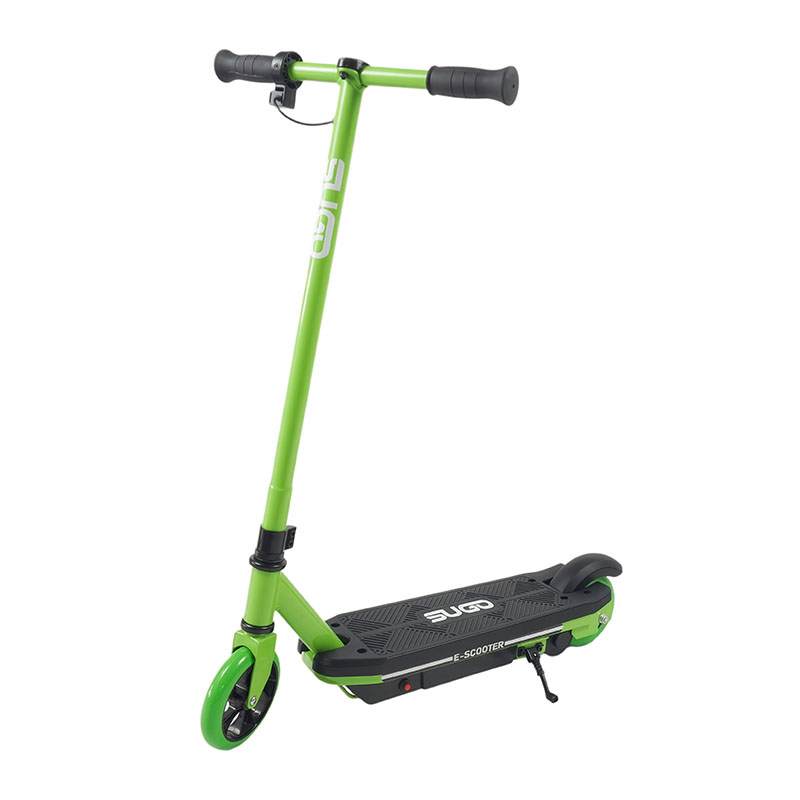
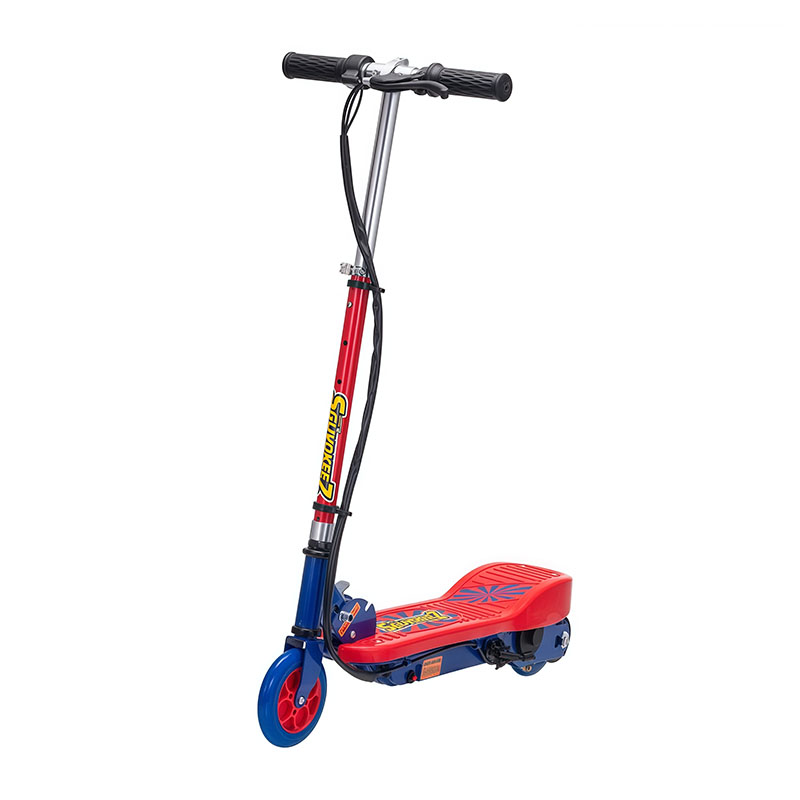
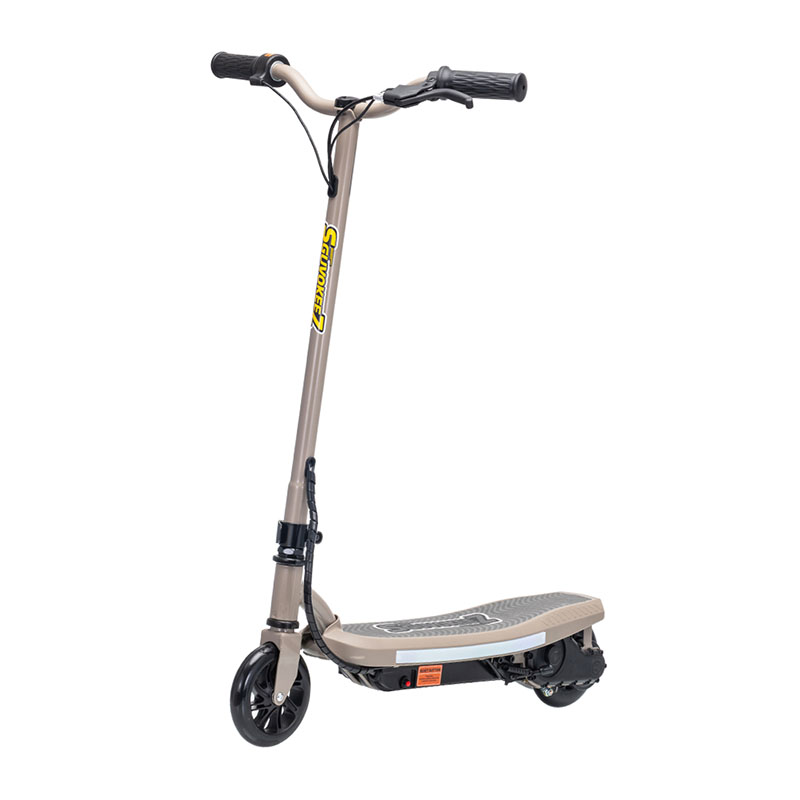
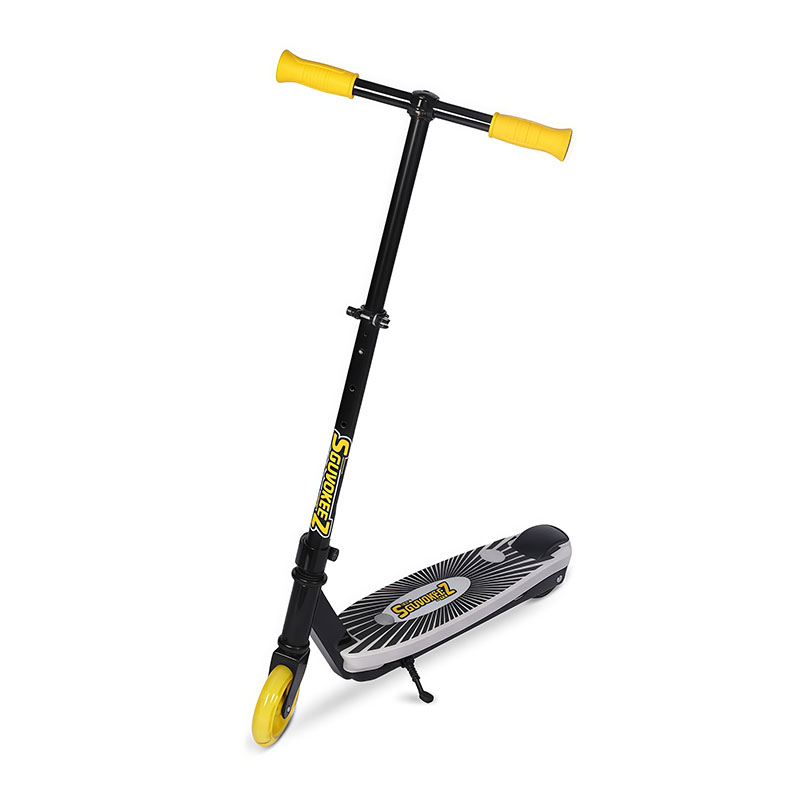
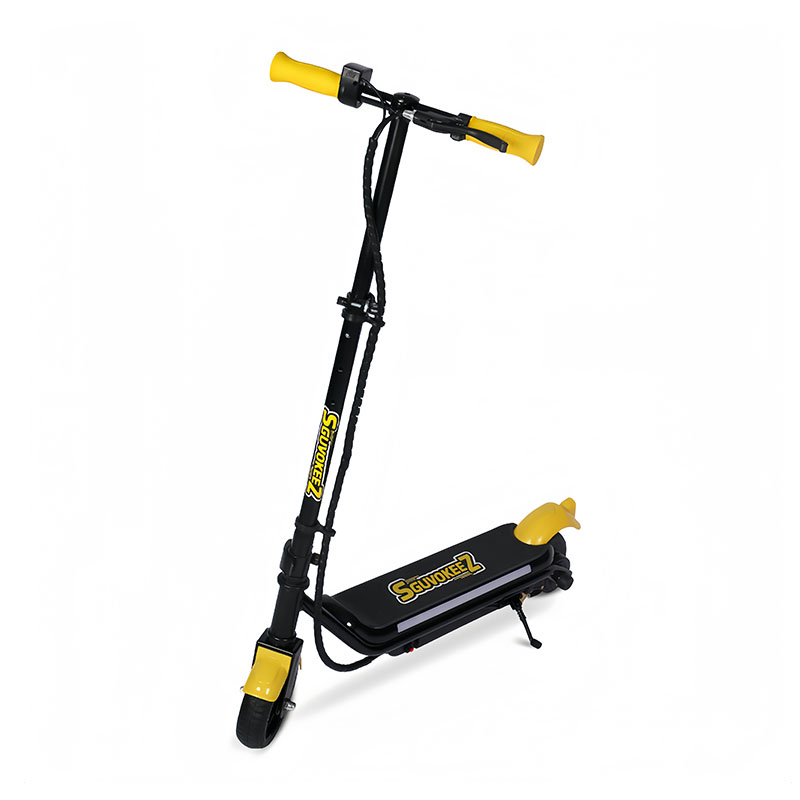
A children’s electric scooter must arrive in a condition that matches the approved product sample. During international transportation, however, vibration, repeated handling, pressure from stacked cartons, and movement inside the package can affect the frame, finish, accessories, or electrical components. For overseas importers, these issues may lead to additional inspection work, delayed distribution, and unnecessary after-sales costs. Packaging should therefore be considered part of product development, with protection, storage efficiency, and packing consistency planned before bulk orders are prepared.
Identify Vulnerable Areas Before Packing
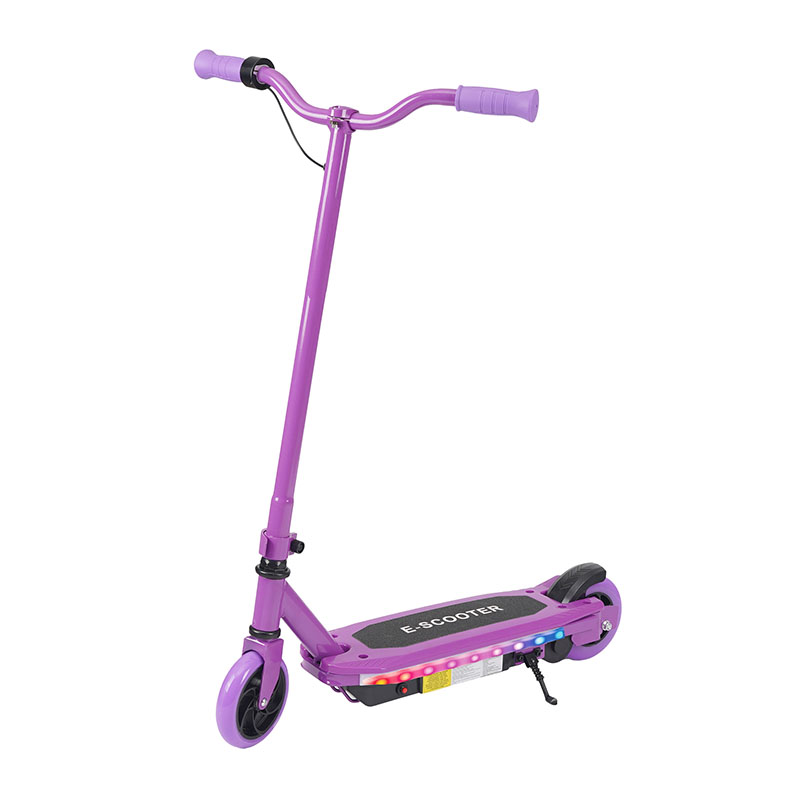
Different scooter components face different transportation risks. Exposed frame edges may develop scratches, plastic covers can be marked by contact, and loosely packed accessories may move against the main body. A folded handlebar or removable component can also create pressure points if it is not secured properly.
Manufacturers should review the scooter’s shape and component arrangement before selecting protective materials. Foam inserts, cardboard dividers, protective sleeves, and other suitable packing materials can help separate vulnerable surfaces. The goal is not simply to add more packaging, but to place protection where movement or contact is most likely to cause damage.
Secure Accessories and Small Components
A scooter package may contain a charger, fasteners, assembly tools, reflectors, or other accessories depending on the model. If these items are packed loosely, they can shift during transportation, become difficult to locate, or scratch nearby surfaces.
A defined accessory layout helps prevent these problems. Manufacturers can use separate compartments or secured inner bags to keep small components organized. Before sealing each carton, packing staff should verify the accessory list against the approved product configuration.
For buyers managing several models, clear identification is particularly important. Similar-looking chargers or hardware sets should not be mixed between versions with different specifications.
Protect Electrical Components From Handling Damage
Electrical parts require careful consideration during packaging. The battery, charger, connectors, and wiring should be protected according to their design and applicable transportation requirements. Packaging must not place excessive pressure on sensitive components or allow loose parts to damage cables and connection points.
Manufacturers should also confirm that the battery and charger documentation, labels, and packing arrangements match the requirements for the intended shipping route. Any applicable battery transportation documentation should be prepared before dispatch rather than left until the shipment is ready to leave the facility.
Test the Complete Package
Packaging decisions should be evaluated using the actual packed product, not only the empty carton. The finished package can be checked for movement, closure strength, and protection around vulnerable areas. Appropriate handling or distribution tests can help reveal weaknesses before larger production quantities are shipped.
For Kids Electric Scooter Manufacturers, packaging verification should follow a repeatable procedure. If a test reveals damage or excessive movement, the protective layout can be adjusted and checked again. Recording the approved packing method also helps ensure that later batches follow the same standard.
Balance Protection With Shipping Efficiency
Oversized cartons can occupy unnecessary warehouse and shipping space, while packaging that is too compact may leave insufficient room for protection. Manufacturers should consider the scooter’s folded dimensions, accessory placement, protective materials, and carton strength together.
A well-planned package can support more predictable warehouse handling without sacrificing product protection. Buyers should confirm carton dimensions and gross weight during sample approval, particularly when shipment planning depends on standardized packaging information.
Maintain Consistency Across Bulk Orders
An approved packaging specification should identify the carton type, internal protection, accessory arrangement, labels, and sealing method. Packing instructions should be available to production staff, and changes should be documented before implementation.
Final inspections can verify that the scooter is properly protected, accessories are complete, and product labels match the order requirements. These checks help reduce avoidable differences between the first shipment and repeat orders.
Make Delivery Quality Part of Product Quality
For overseas buyers, a successful order depends on more than the scooter’s riding performance. Packaging must protect the product, keep accessories organized, and support efficient handling from factory dispatch to warehouse receipt. By treating packaging as an integral part of manufacturing, suppliers can help importers reduce preventable shipping problems and receive products that are ready for inspection, distribution, and retail preparation.

 English
 русский
 Français
 Español
 Português
 Deutsch