
A children’s electric scooter may look simple from the outside, but its long-term usability depends on how well its components are designed, assembled, and maintained. For distributors and importers, after-sales issues can affect customer satisfaction, replacement costs, and the workload of service teams. Manufacturers therefore need to consider what happens after a scooter leaves the production line. Practical maintenance access, clearly identified components, and straightforward inspection procedures can make a product easier to support throughout its service life.
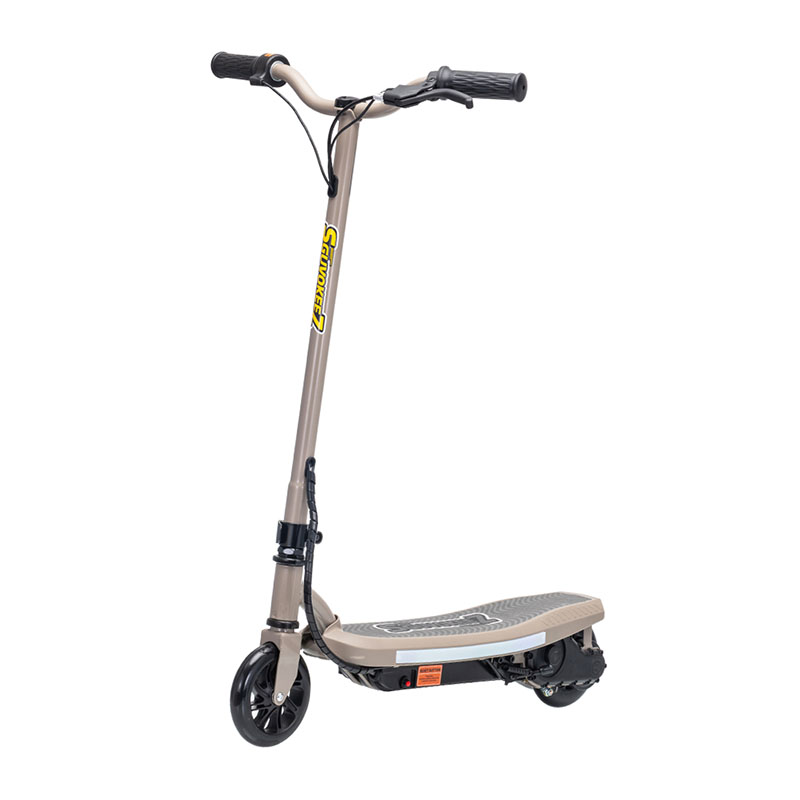
Scooters used regularly may experience loose fasteners, worn tires, damaged grips, or changes in braking performance. These conditions do not necessarily indicate a product defect, but they show why routine inspection should be considered during product development.
Manufacturers can improve serviceability by making important inspection points accessible without requiring unnecessary disassembly. Clear assembly drawings and maintenance instructions can also help service personnel identify the relevant components before beginning work. For buyers managing multiple product models, consistent component placement can simplify staff training and reduce confusion during routine checks.
The motor, controller, battery, wiring, and throttle form an interconnected electrical system. Poorly planned wire routing can make inspection difficult and increase the risk of wires being pinched or exposed to repeated movement.
During development, manufacturers should consider how cables pass through the frame and connect to individual components. Connections need to be secure and appropriately protected for the scooter’s intended operating conditions. The design should also allow qualified service personnel to inspect relevant connections without disturbing unrelated parts unnecessarily.
Electrical maintenance instructions should clearly explain which checks are permitted and when professional service is required. Battery and charging components deserve particular attention because incorrect handling can create safety risks.
Some components naturally experience more contact and movement than others. Tires, grips, brake parts, and selected fasteners may require inspection or replacement depending on usage and the product design.
For Kids Electric Scooter Manufacturers, identifying these components early can improve spare-parts planning. A manufacturer can maintain clear part numbers, model references, and replacement specifications so buyers know which items match each version.
This becomes especially useful for distributors handling several scooter models. Accurate identification helps reduce ordering errors and makes it easier to keep commonly required parts available without building an unnecessarily large inventory.
Scooters are used in different environments, and dust, dirt, and moisture can affect their appearance and condition. Surface finishes and material choices should therefore support practical cleaning while remaining suitable for the intended application.
Manufacturers should consider whether exposed surfaces are easy to wipe down and whether gaps around joints are likely to collect debris. Cleaning instructions should distinguish between external surfaces and electrical areas that must not be exposed to water. Simple, clear guidance can help users avoid maintenance practices that may damage components.
A product that requires extensive disassembly for a basic inspection can increase service time and complicate repairs. During prototype evaluation, manufacturers should review the accessibility of fasteners, covers, connectors, and replaceable parts.
Service-friendly construction does not mean making every component removable by the end user. For children’s electric scooters, structural integrity and electrical safety remain essential. Instead, the goal is to provide appropriate access for trained personnel while keeping critical assemblies secure during normal use.
Product documentation should identify the scooter model, key specifications, compatible accessories, and relevant maintenance procedures. Exploded diagrams or clearly labeled component lists can help service teams communicate more accurately with suppliers and customers.
Manufacturers should also maintain consistent documentation when specifications change. If a component is revised between production batches, the related part number and compatibility information should be updated accordingly. This helps prevent confusion when buyers request replacements for products purchased at different times.
For overseas buyers, serviceability is an important part of product planning rather than an issue to address only after complaints arise. A well-designed children’s electric scooter combines appropriate riding characteristics with accessible inspection points, identifiable spare parts, and clear maintenance guidance. By considering these details during development, manufacturers can make after-sales support easier to organize and help distributors manage their product ranges with greater confidence.
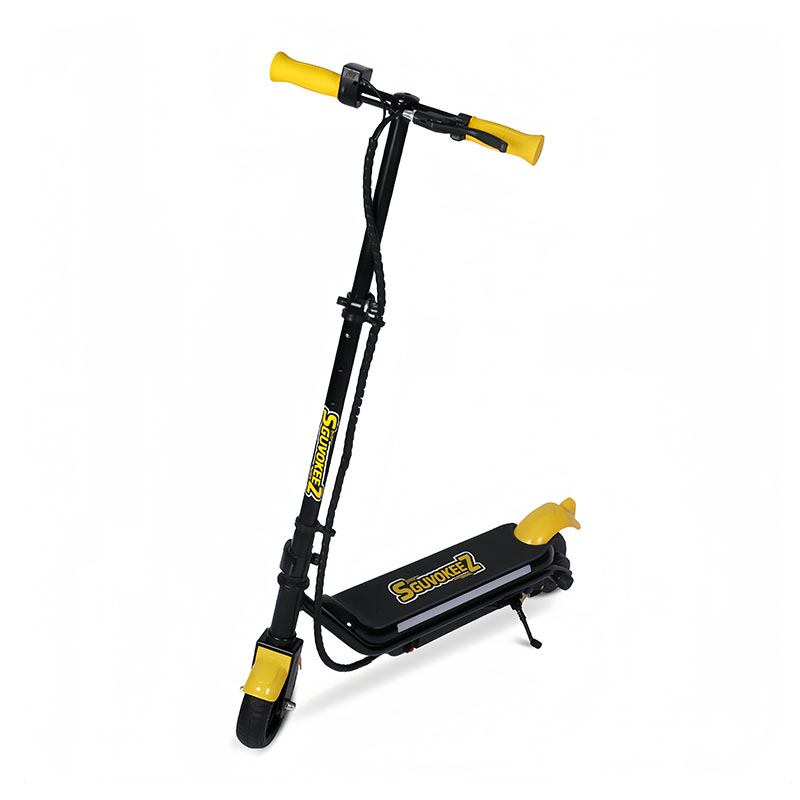 6.3-Inch Kids Electric Scooter for Ages 6+ (24V 200W) SG10Plus
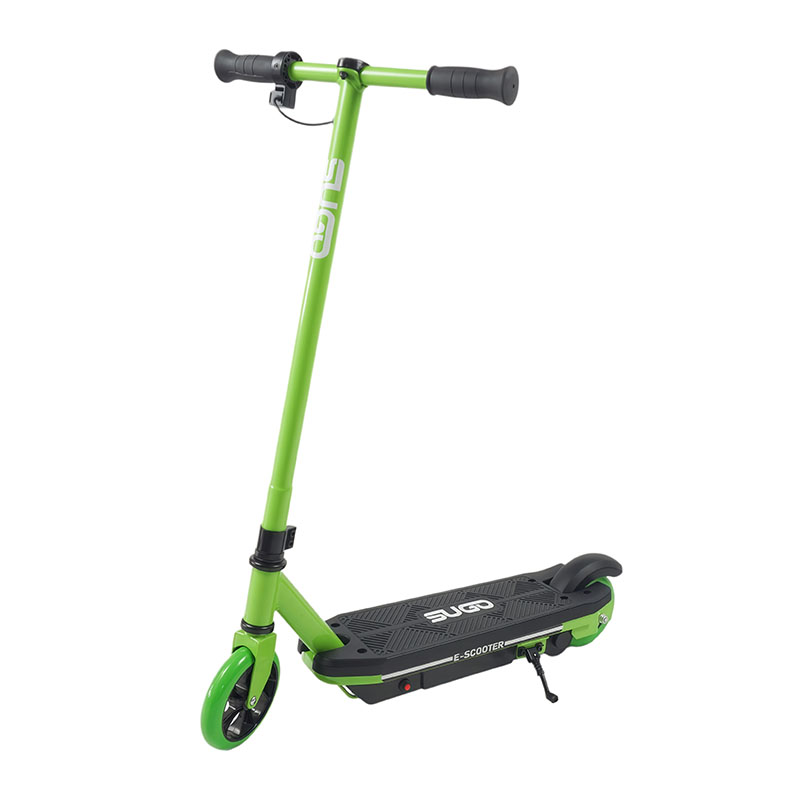 Lightweight kids Electric Scooter (12V80W) SG09S
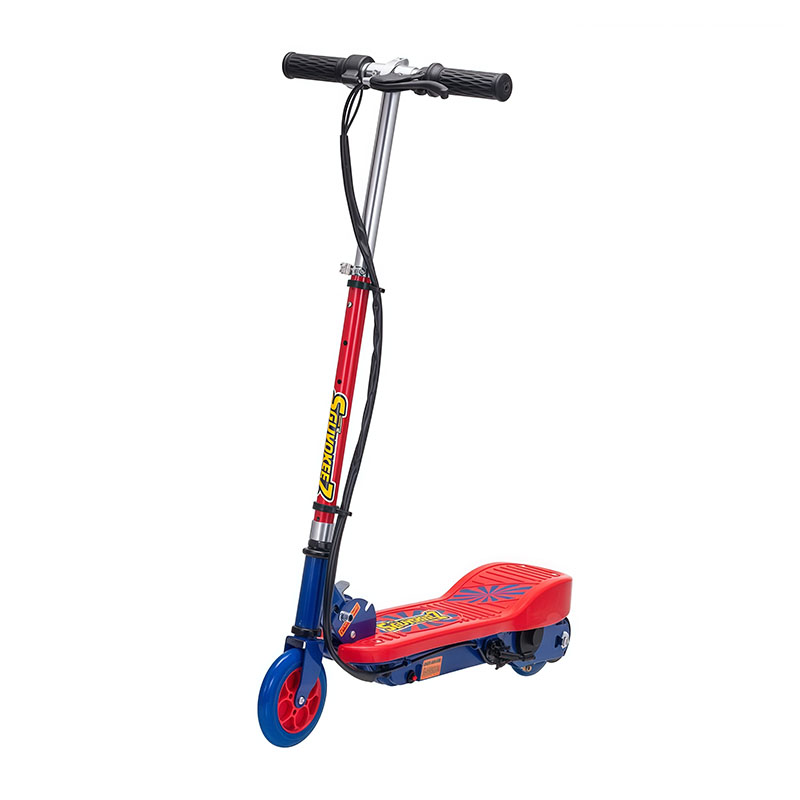 Foldable Kids Electric Scooter (24V 120W) CD02
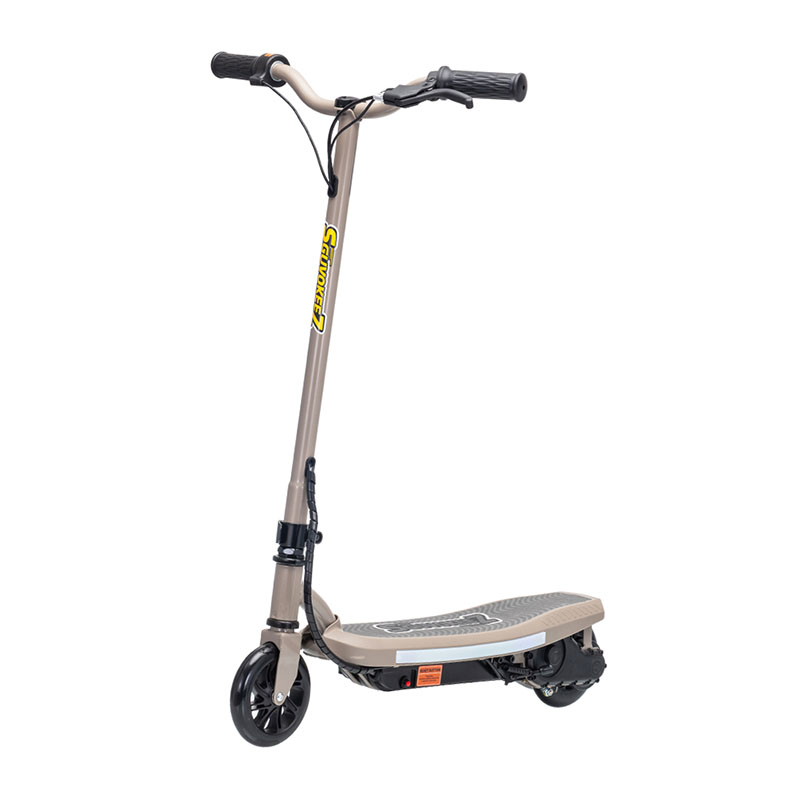 Light-Up Kids Electric Scooter (24V 120W) CD11L
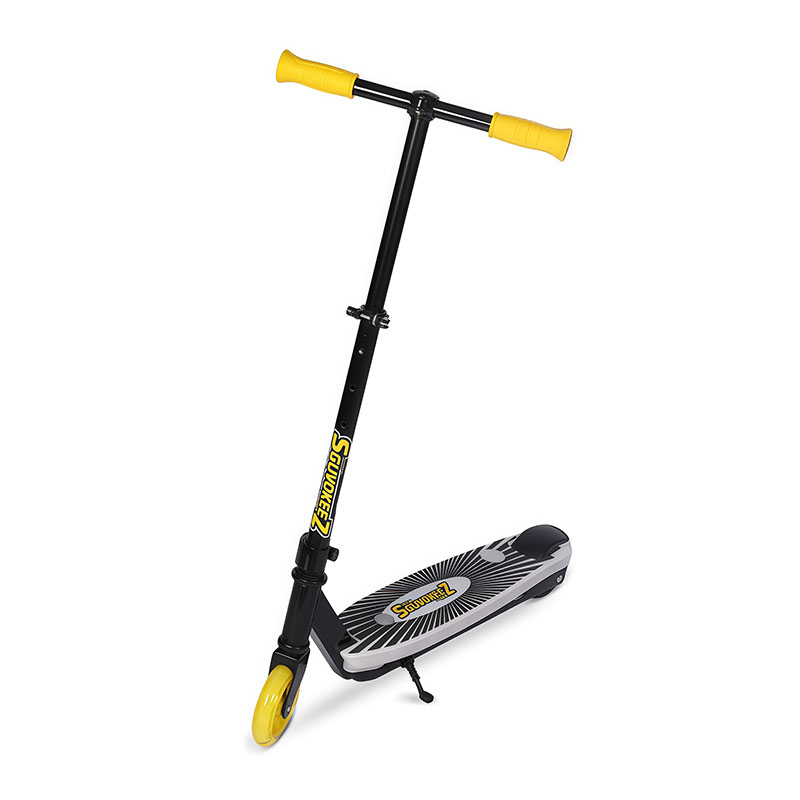 Height-Adjustable Kids Electric Scooter (12V 80W) SG08
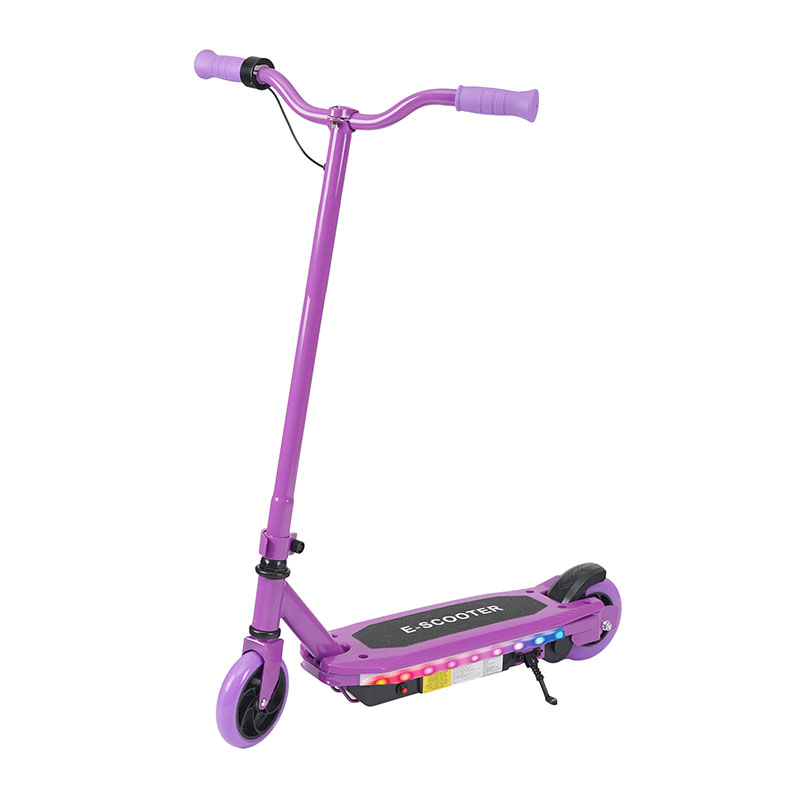 Standard Kids Electric Scooter (24V 120W) SG09







 English
 русский
 Français
 Español
 Português
 Deutsch