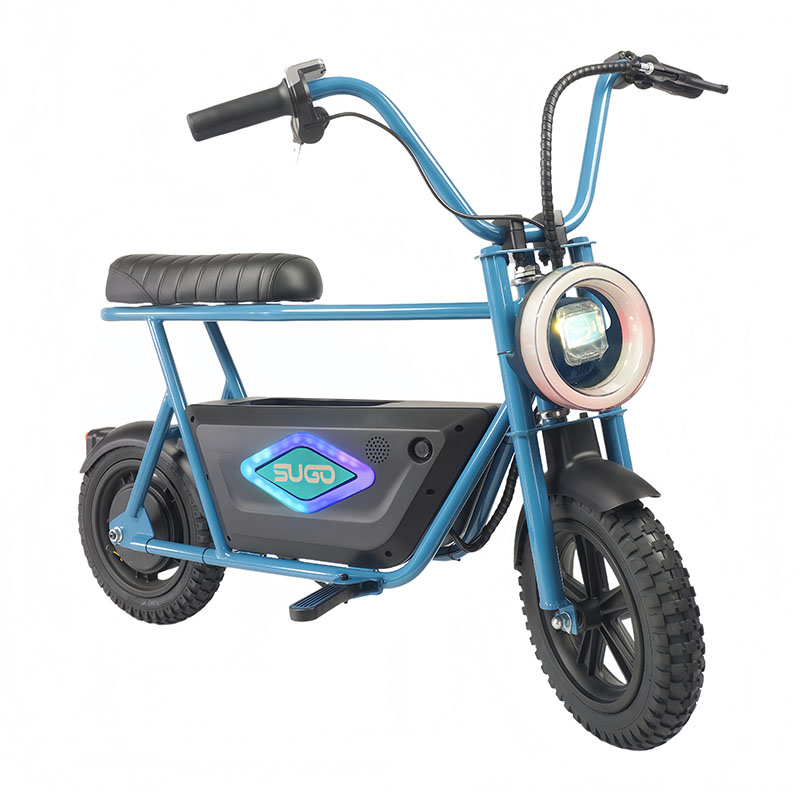
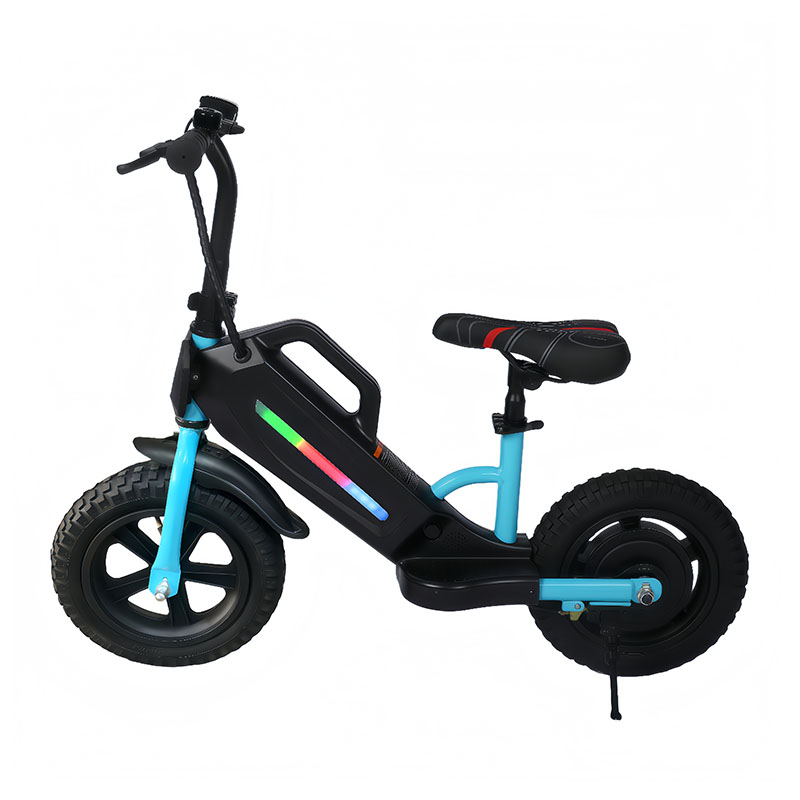
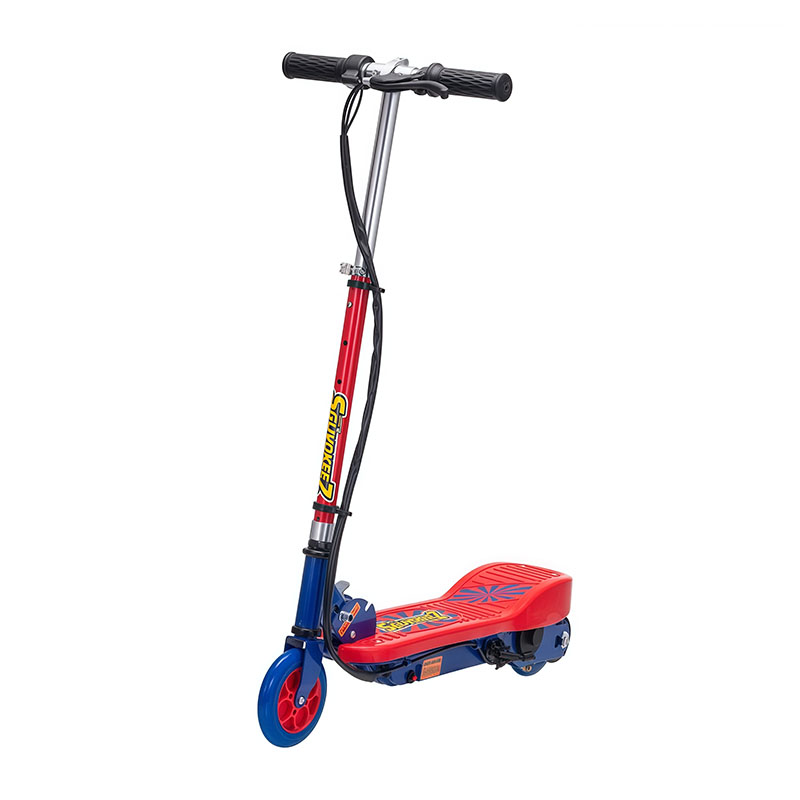
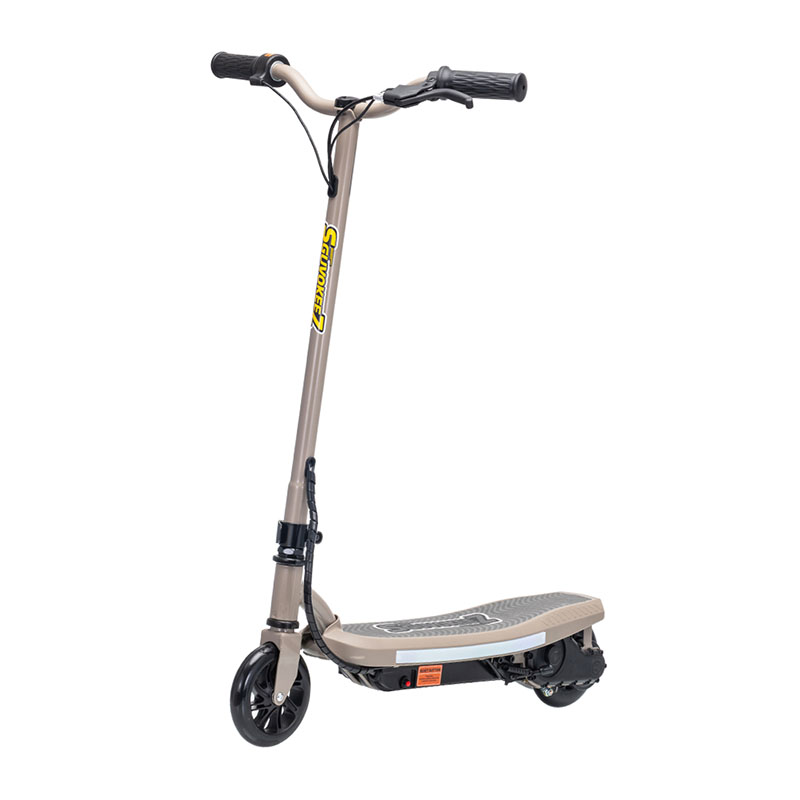
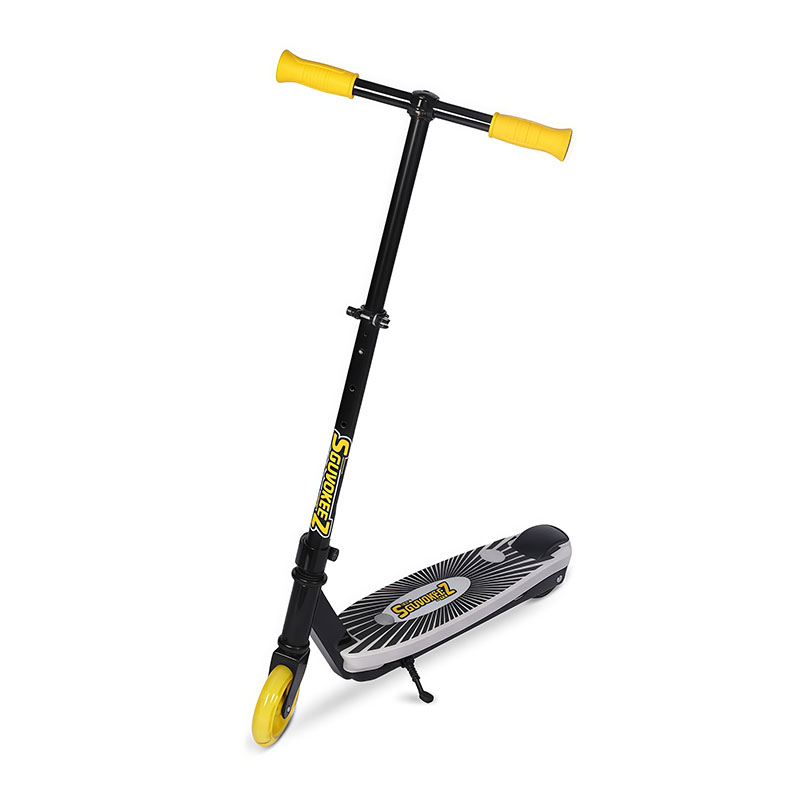
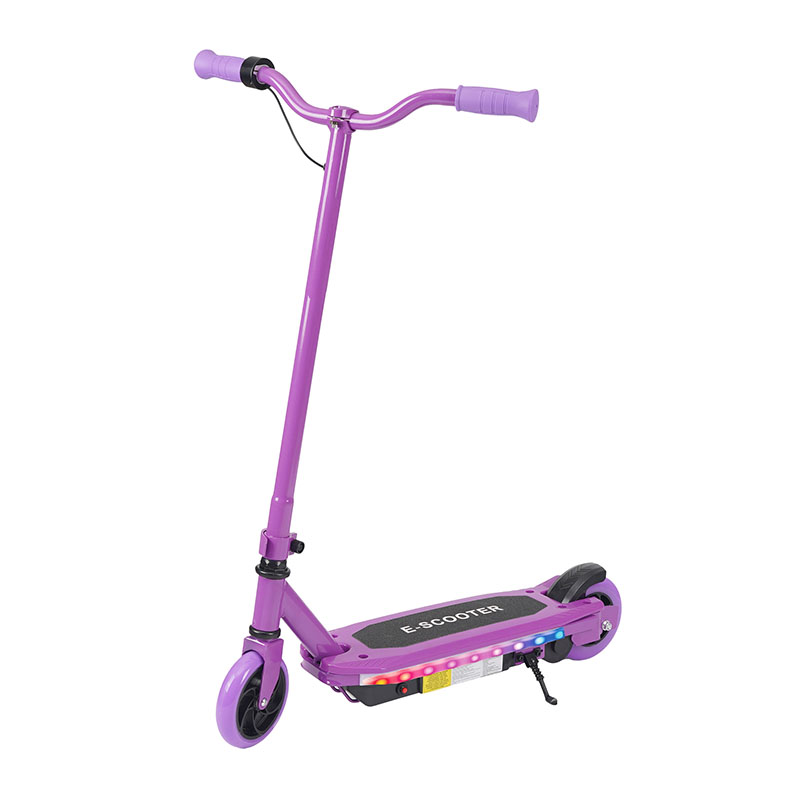
Developing an electric scooter for children involves more than combining a motor, battery, wheels, and frame. Each component affects the product’s handling, appearance, assembly process, and overall reliability. For overseas buyers, a well-planned design can make the difference between a product that looks attractive in a sample and one that performs consistently in bulk orders. Manufacturers need to consider the needs of young riders alongside production feasibility, component compatibility, and the expectations of distributors serving different markets.
Design Around Real Riding Needs
Children need a scooter that suits their physical proportions and developing coordination. Handlebar height, deck dimensions, grip design, and overall weight can all affect how comfortably a rider handles the product. If these elements are considered separately, the finished scooter may be difficult to control or inconvenient to transport.
During product development, manufacturers should evaluate how the main dimensions work together. A compact frame may support easier storage, while an appropriately designed deck can provide practical foot placement. The final configuration should reflect the intended age group, rider weight range, and operating conditions rather than relying on appearance alone.
Balance Appearance With Structural Requirements
Color, surface finish, and styling influence how a scooter fits a retail product range. However, decorative choices should not compromise the function of structural components. The frame, steering assembly, wheel supports, and fasteners need to work together under the intended operating conditions.
Manufacturers can assess material selection and component placement during prototype development. Potential interference between parts should be identified before production tooling and assembly procedures are finalized. This approach can reduce avoidable revisions and help maintain a consistent appearance across different color or configuration options.
Make Component Compatibility a Priority
An electric scooter contains mechanical and electrical systems that must function as a coordinated unit. Motor output, controller settings, battery capacity, wiring arrangements, throttle response, and braking configuration should be reviewed together.
For Kids Electric Scooter Manufacturers, component compatibility is especially important when developing multiple models for different price points or age groups. A change in one component may affect weight, performance, installation space, or operating behavior elsewhere in the product.
Before confirming a design, manufacturers should check:
- Whether electrical connections match the selected components
- Whether wiring is properly routed and protected
- Whether the braking and control systems function as intended
- Whether replacement components can be identified by model and specification
These checks help make assembly and subsequent maintenance more manageable.
Establish Repeatable Assembly Procedures
A successful prototype does not automatically guarantee consistent mass production. Differences in fastening, wiring installation, component positioning, and adjustment can affect the finished product if assembly instructions are unclear.
Manufacturers should define key assembly steps and inspection points before increasing production volume. Functional checks can cover throttle operation, braking response, steering movement, electrical connections, and charging performance. Recording inspection results also helps production teams identify recurring defects and improve process control.
For buyers, a clear quality-control process provides a more useful basis for supplier evaluation than a sample inspection alone.
Plan Customization Before Bulk Orders
Overseas distributors may request different colors, packaging designs, labels, or accessory combinations. These options can help a product fit a particular market, but they also introduce additional requirements for material preparation, inventory management, and order tracking.
A manufacturer should confirm the approved specifications for each version before production begins. Samples, color references, packaging artwork, and component lists should be reviewed together to reduce the risk of mixing configurations. Changes made after approval should be documented so that purchasing and production teams work from the same information.
Prepare the Product for Storage and Delivery
Packaging is part of the product plan, not simply the final step before shipment. The scooter, charger, instructions, and accessories need to fit securely within the selected carton. Suitable internal protection can help limit movement during transportation, while clear labeling supports warehouse identification.
Manufacturers should also confirm carton dimensions and packing arrangements early enough to coordinate production and shipping requirements. For buyers placing repeat orders, maintaining an approved packaging specification can make replenishment more predictable.
Turn Product Requirements Into Manufacturing Value
Choosing a suitable electric scooter means looking beyond individual specifications. For buyers comparing Kids Electric Scooter Manufacturers, the most useful discussions cover design suitability, component coordination, assembly controls, customization, and packaging as one connected process. When these details are established before mass production, manufacturers can better manage product consistency, while overseas buyers gain a clearer basis for evaluating samples and planning future orders.

 English
 русский
 Français
 Español
 Português
 Deutsch