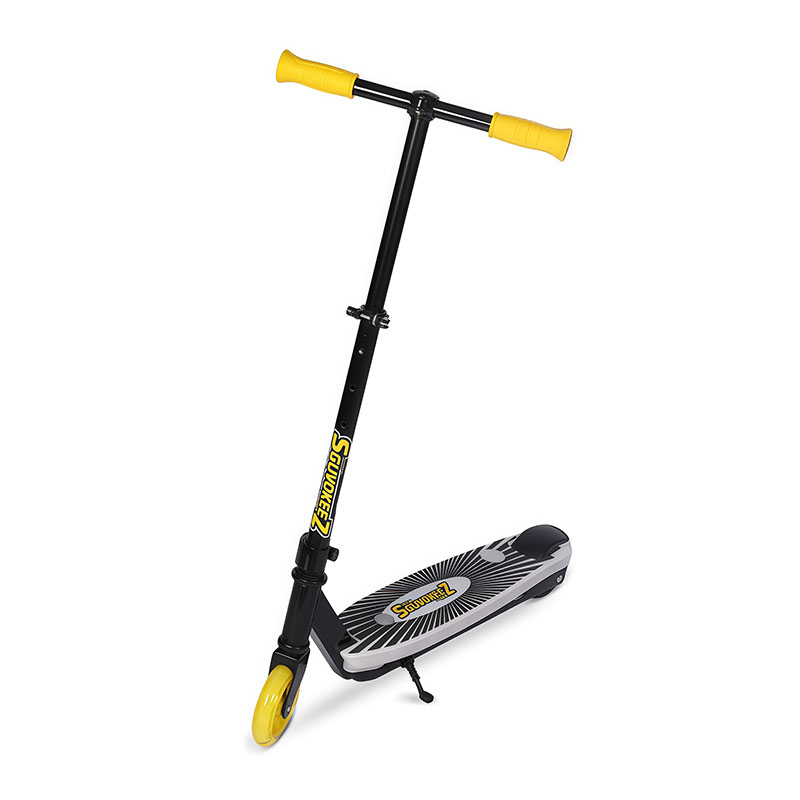
Children's electric scooters combine mobility, recreational use, and product design in a category where safety and usability need to work together. For overseas distributors and retailers, selecting a suitable model involves more than comparing appearance or advertised speed. Buyers also need to consider the intended age group, riding environment, control layout, battery protection, and product testing requirements. For manufacturers, the challenge is to translate these expectations into a design that is practical to use, consistent to produce, and appropriate for the target market.
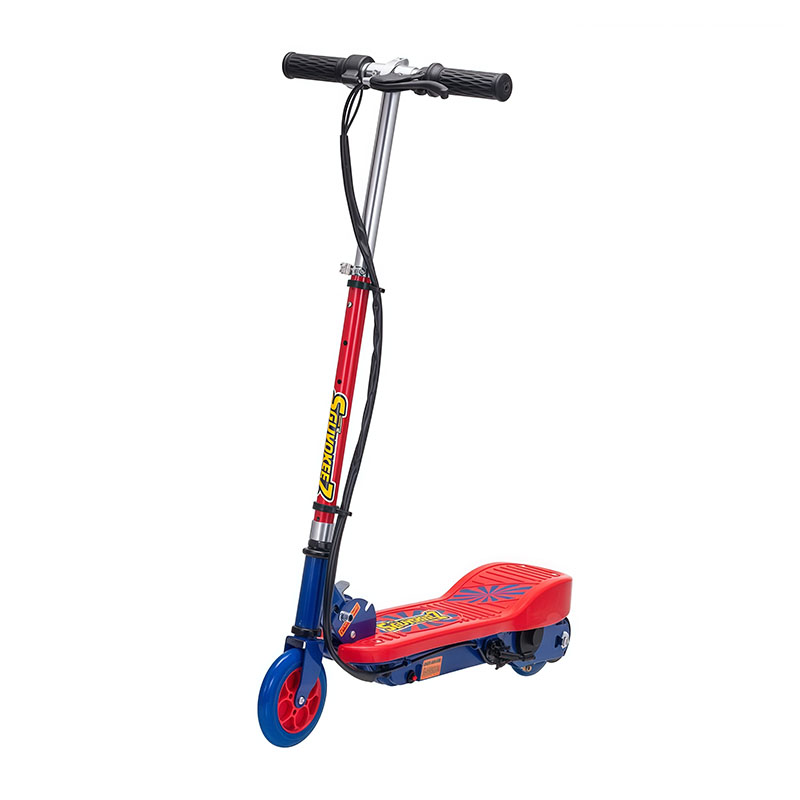
Children of different ages may have different levels of coordination, strength, and experience with powered riding products. A scooter intended for younger riders should not simply be a smaller version of an adult model. Handlebar height, deck dimensions, overall weight, acceleration behavior, and braking access all deserve careful consideration.
When evaluating products from Kids Electric Scooter Manufacturers, buyers should confirm the manufacturer's recommended age range and the specific limitations of each model. Product selection should reflect the intended user's physical capabilities and the riding conditions described in the instructions.
Clear age guidance also helps distributors organize their product ranges and communicate appropriate expectations to customers.
Motor output and maximum speed often attract attention during product development, but controlled acceleration and predictable braking are equally important. A scooter that responds too abruptly may be difficult for an inexperienced rider to manage.
Manufacturers should assess how the controller, motor, throttle, and braking system work together. Depending on the model, relevant design considerations may include a controlled starting response, suitable speed settings, and a braking arrangement appropriate to the scooter's intended use.
Buyers should request clear specifications for these functions and verify that the finished product matches the approved configuration. Safety-related claims should be supported by appropriate testing rather than appearance or marketing descriptions alone.
Battery selection affects product weight, operating time, charging arrangements, and overall system design. For children's electric scooters, battery protection also deserves close attention because the product may be handled by inexperienced users.
Manufacturers should evaluate battery compatibility, electrical connections, charging control, enclosure protection, and the behavior of relevant protective circuits. The charging equipment must be compatible with the battery system, while user instructions should explain proper charging, storage, and inspection practices.
For procurement teams, confirming the battery specifications and applicable product safety requirements before placing a bulk order can help prevent avoidable redesigns and documentation gaps.
A scooter's frame, deck, wheels, steering assembly, and folding components, where fitted, must work as an integrated structure. Loose connections, unsuitable component dimensions, or inadequate structural design may affect handling and service life.
During development, manufacturers should evaluate the product under conditions relevant to its intended use. Inspection can cover fastener security, steering movement, wheel installation, brake operation, and structural integrity according to the applicable test plan.
Deck dimensions and grip surfaces also influence how comfortably riders can position their feet. These details should be reviewed alongside the overall geometry instead of being treated as cosmetic features.
A successful sample does not automatically guarantee consistency across a large shipment. Component variation, assembly differences, and changes in electrical parts can affect finished products if production controls are insufficient.
A practical quality plan may include:
Manufacturers should establish inspection criteria for each model and retain relevant production records. This makes it easier to identify recurring defects and keep bulk orders aligned with approved samples.
Overseas buyers may need different colors, packaging, labels, accessories, or product configurations for their respective sales channels. However, customization should be reviewed carefully when it affects electrical systems, structural components, or safety-related functions.
Before production, buyers should confirm the target market, intended age group, required documentation, packaging specifications, and applicable regulatory obligations. Manufacturers can then assess whether the requested changes are compatible with the product design and production process.
Clear communication at this stage helps reduce misunderstandings during sample approval and supports more predictable repeat orders.
Developing a children's electric scooter requires coordination between mechanical design, electrical integration, assembly, testing, and product documentation. Buyers should evaluate how a manufacturer manages these activities rather than relying solely on a product photograph or a short specification sheet.
For overseas procurement teams, clear technical communication, traceable quality checks, and consistent production standards provide a stronger foundation for long-term cooperation. When product design and manufacturing controls reflect the needs of young riders and their intended environments, businesses can make more informed sourcing decisions and build a product range around clearly defined requirements.







 English
 русский
 Français
 Español
 Português
 Deutsch