
Developing a children's electric scooter involves balancing practical usability, manufacturing consistency, and long-term product support. A design that performs well during an initial demonstration may still present challenges when it enters mass production, particularly if components are difficult to assemble, replacement parts are inconsistent, or inspection procedures are unclear. For manufacturers serving overseas buyers, effective product development should therefore consider the complete product lifecycle, from early design decisions to final assembly and after-sales support.
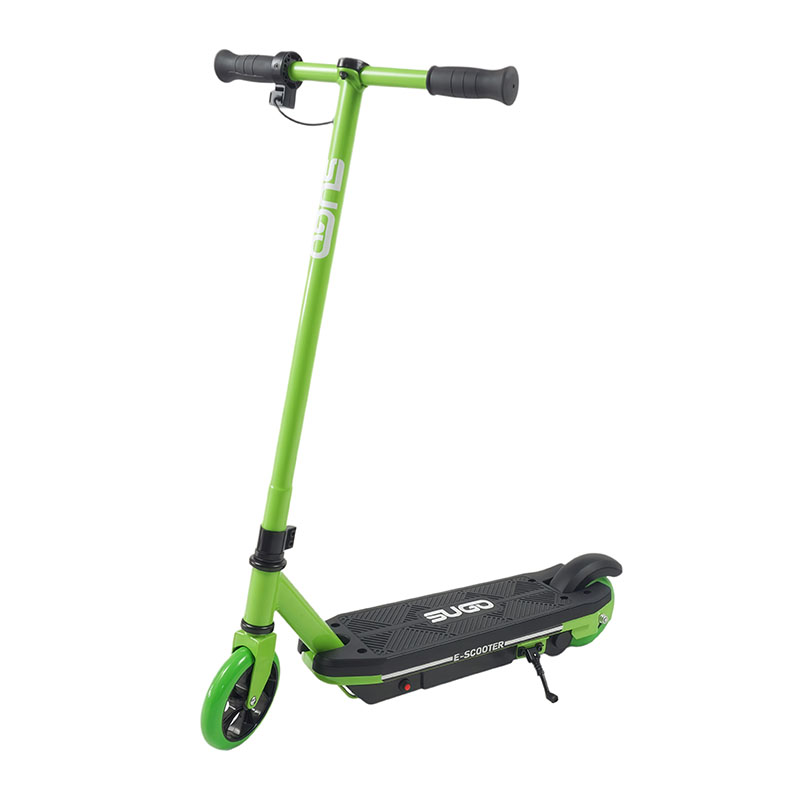
An electric scooter consists of interconnected mechanical and electrical systems. The frame, steering assembly, wheels, motor, controller, battery, and braking components must be compatible with one another. A change to one part may affect the dimensions, performance, or installation requirements of another.
During development, manufacturers should review component interfaces before confirming the final design. This includes mounting positions, wiring routes, connector compatibility, fastener access, and the space available for electrical components.
For buyers comparing Kids Electric Scooter Manufacturers, asking how component compatibility is managed can provide useful insight into the supplier's development process. A coordinated design is easier to evaluate, assemble, and maintain than one in which individual components are considered separately.
Assembly efficiency depends partly on how easily workers can position, connect, and secure each component. Poor access to fasteners, unclear wiring arrangements, or inconsistent part dimensions can increase assembly difficulty and create opportunities for mistakes.
Manufacturers can address these issues by reviewing assembly sequences during the prototype stage. Practical improvements may include clearer component identification, more accessible fastening points, organized wiring paths, and standardized work instructions.
These measures should support consistent assembly rather than simply reduce the time spent on each unit. For children's electric scooters, critical connections and safety-related components still require appropriate verification before the product moves to the next production stage.
Electrical integration requires particular attention because the battery, controller, motor, throttle, and charging system must operate as a compatible unit. Incorrect connections, poorly secured wiring, or unsuitable component substitutions can lead to functional problems.
Manufacturers should establish clear wiring documentation and verify connections during assembly. Depending on the design, inspection may include connector seating, cable routing, insulation condition, and the operation of relevant electrical controls.
Changes to electrical components should be reviewed before implementation. Keeping approved specifications and component records helps prevent unintended differences between production batches and makes later troubleshooting more manageable.
Final inspection should confirm more than whether the scooter looks complete. Functional testing helps determine whether key systems operate according to the approved design.
A product-specific test plan may cover:
The exact procedures should reflect the model's design and applicable requirements. Manufacturers should document results and investigate failures instead of relying only on a brief visual check.
Product support is easier to manage when commonly serviced components can be identified and supplied consistently. Depending on the scooter design, buyers may need replacement tires, brake components, chargers, grips, or electrical parts.
Manufacturers should establish part numbers, compatible model references, and clear replacement instructions. Service information should distinguish between routine checks that users can perform safely and repairs that require qualified personnel.
For overseas distributors, this information can help organize spare-parts inventory and respond to customer questions more efficiently. It also gives buyers a clearer understanding of how the product can be supported after delivery.
A product approved during development should remain the reference for mass production. Changes in materials, component suppliers, assembly methods, or packaging can affect the finished product and should be reviewed before they are introduced.
Manufacturers can maintain consistency by documenting the approved configuration, defining inspection criteria, and checking production units against relevant specifications. Batch records also help identify when a problem occurs and which corrective measures may be needed.
For wholesale buyers, this process supports clearer acceptance standards and reduces uncertainty when placing repeat orders.
A well-developed children's electric scooter reflects coordinated engineering, controlled assembly, functional verification, and practical product support. Manufacturers that consider these elements together can identify design weaknesses earlier and establish more repeatable production procedures.
For overseas buyers, evaluating development methods and manufacturing controls alongside product specifications helps create a more complete basis for supplier selection. Consistent documentation and a clear approach to product support can also make ongoing procurement easier to manage as product ranges and customer requirements evolve.
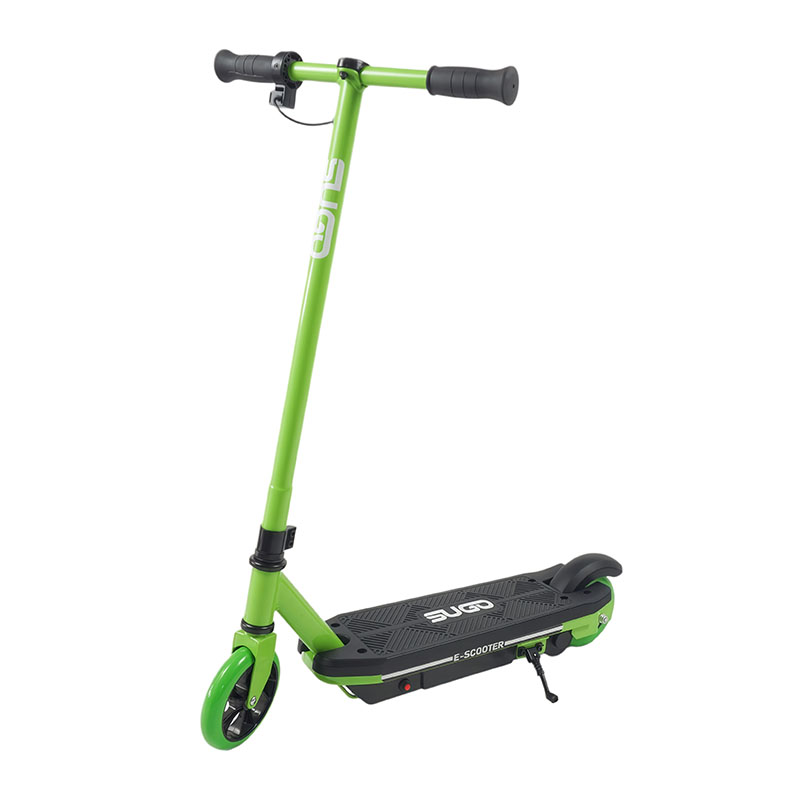 Lightweight kids Electric Scooter (12V80W) SG09S
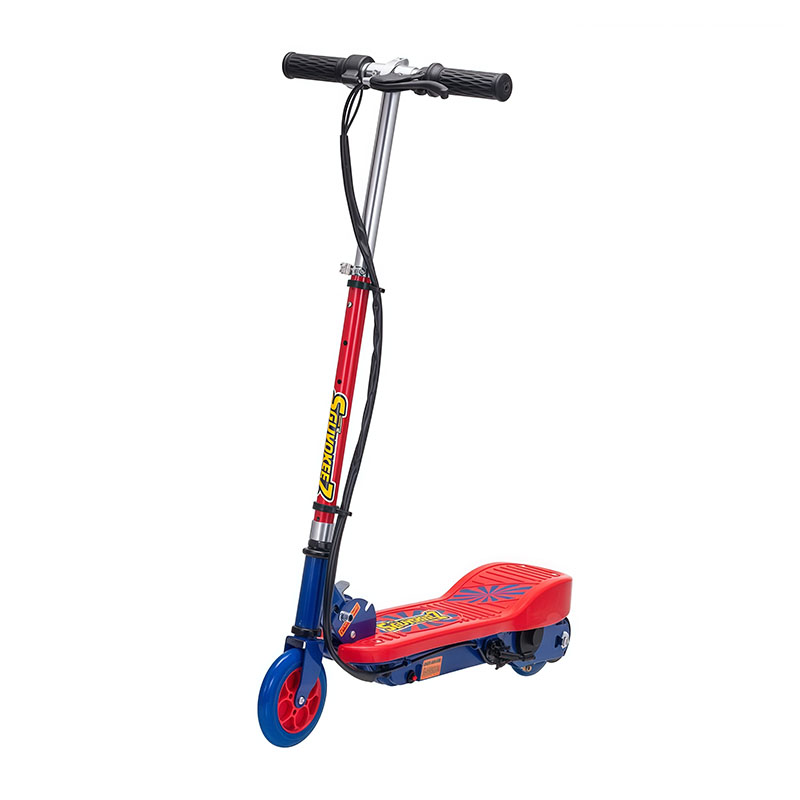 Foldable Kids Electric Scooter (24V 120W) CD02
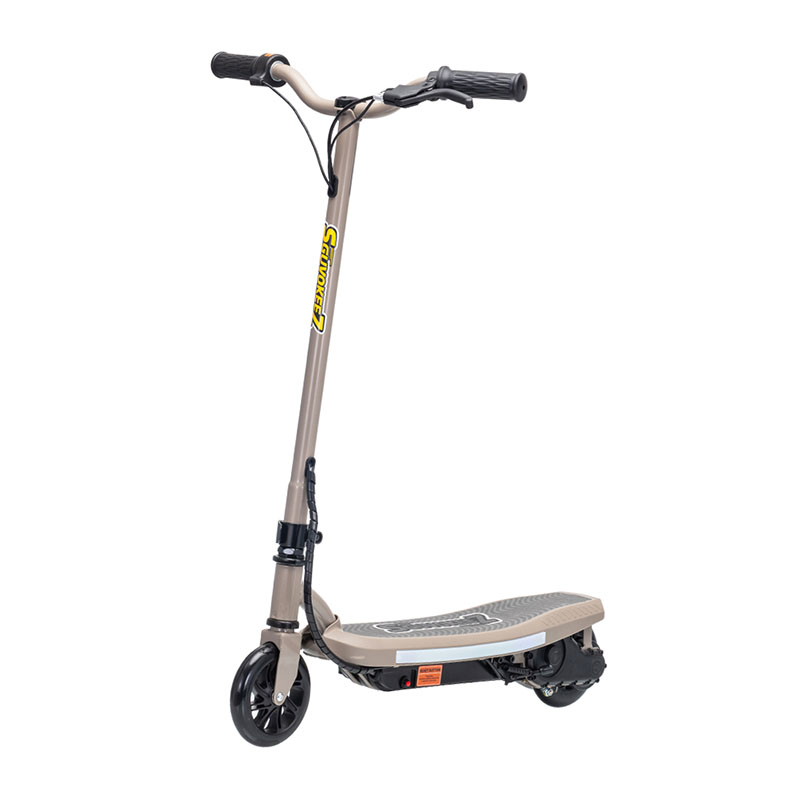 Light-Up Kids Electric Scooter (24V 120W) CD11L
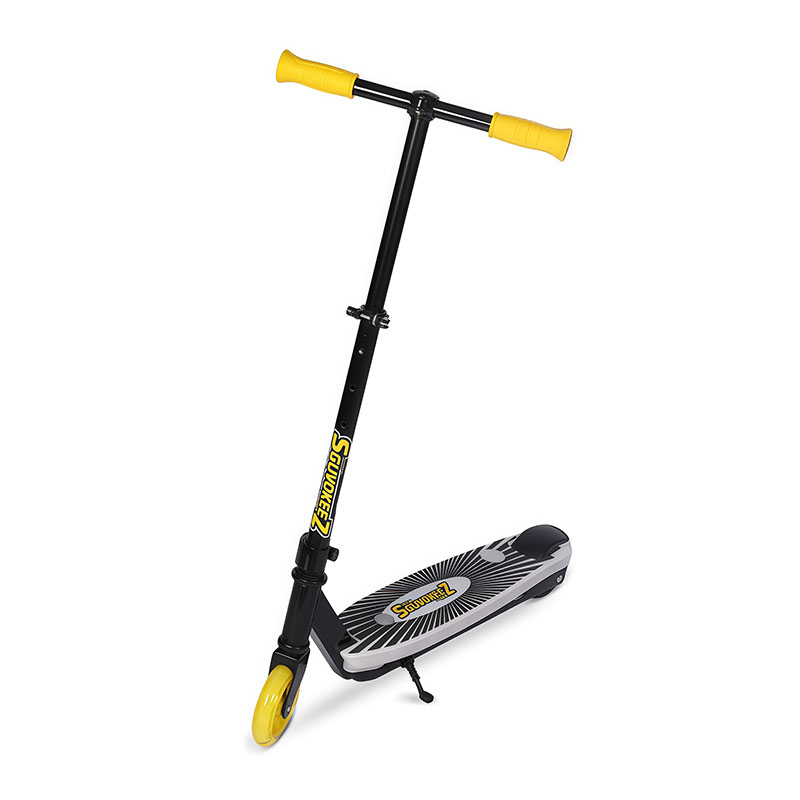 Height-Adjustable Kids Electric Scooter (12V 80W) SG08
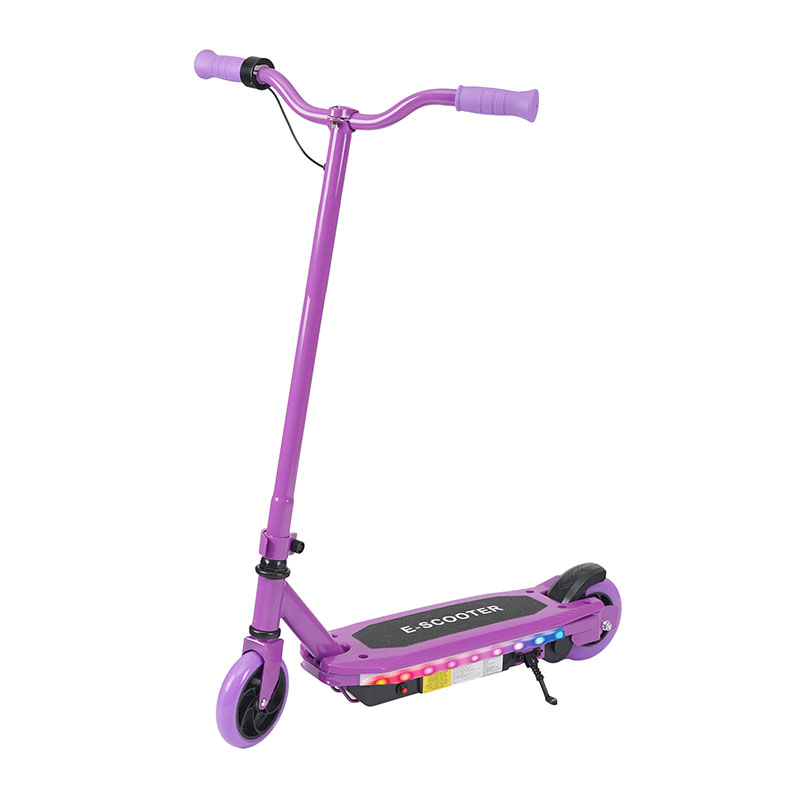 Standard Kids Electric Scooter (24V 120W) SG09
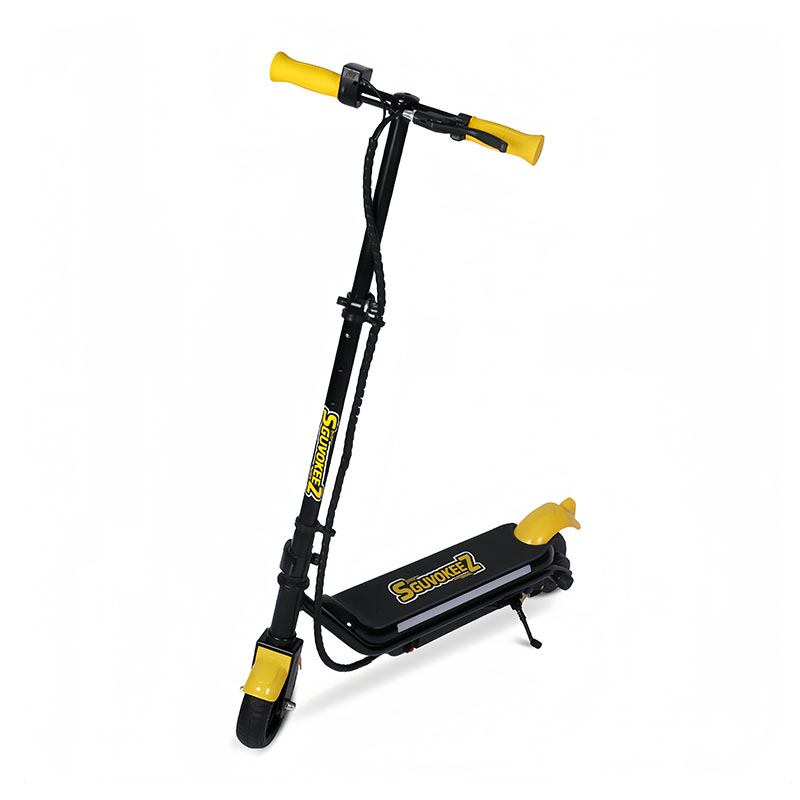 6.3-Inch Kids Electric Scooter for Ages 6+ (24V 200W) SG10Plus







 English
 русский
 Français
 Español
 Português
 Deutsch