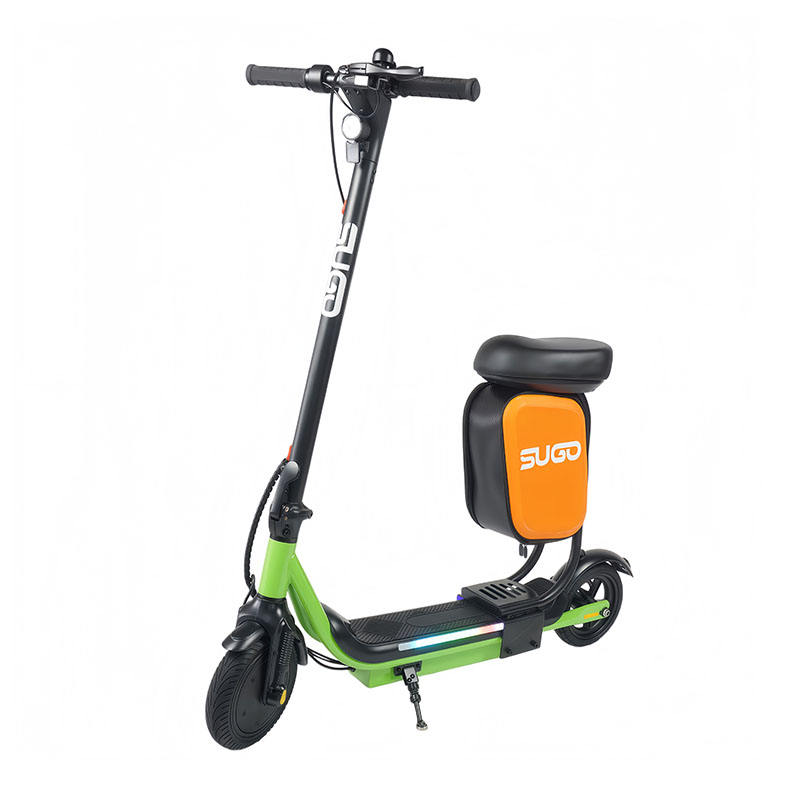
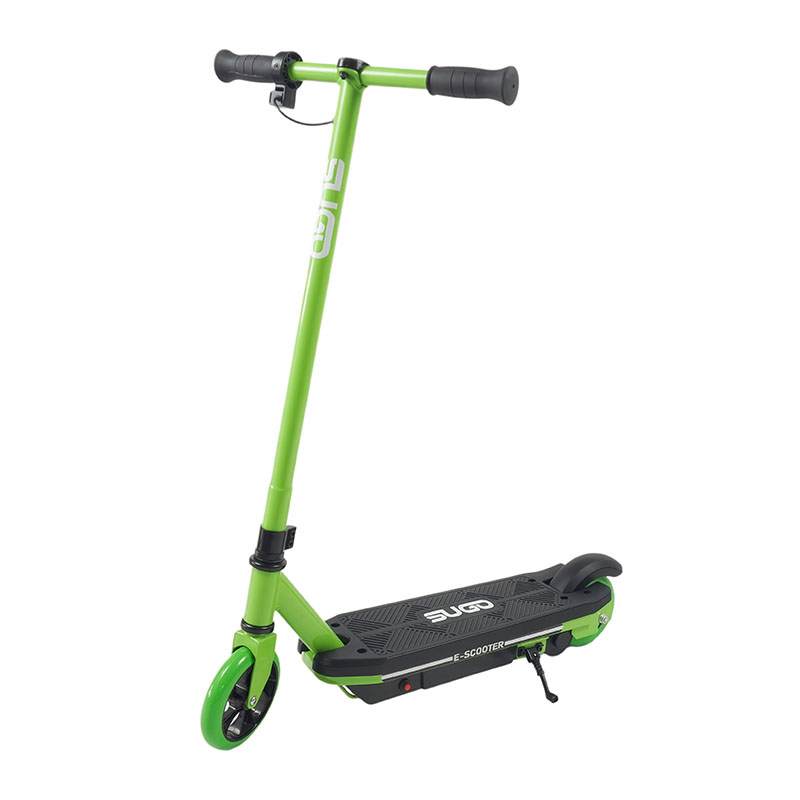
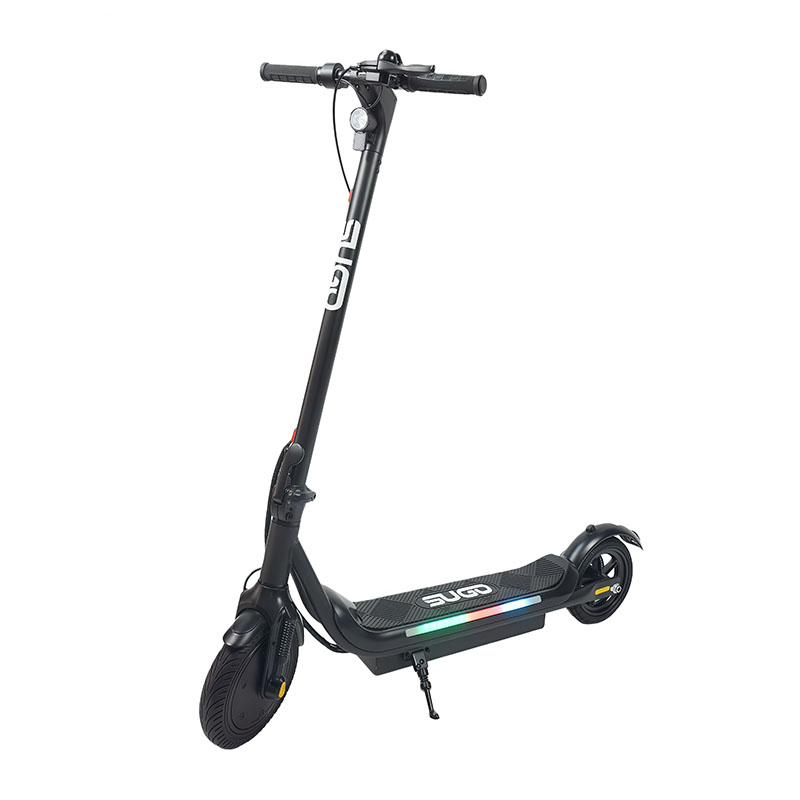
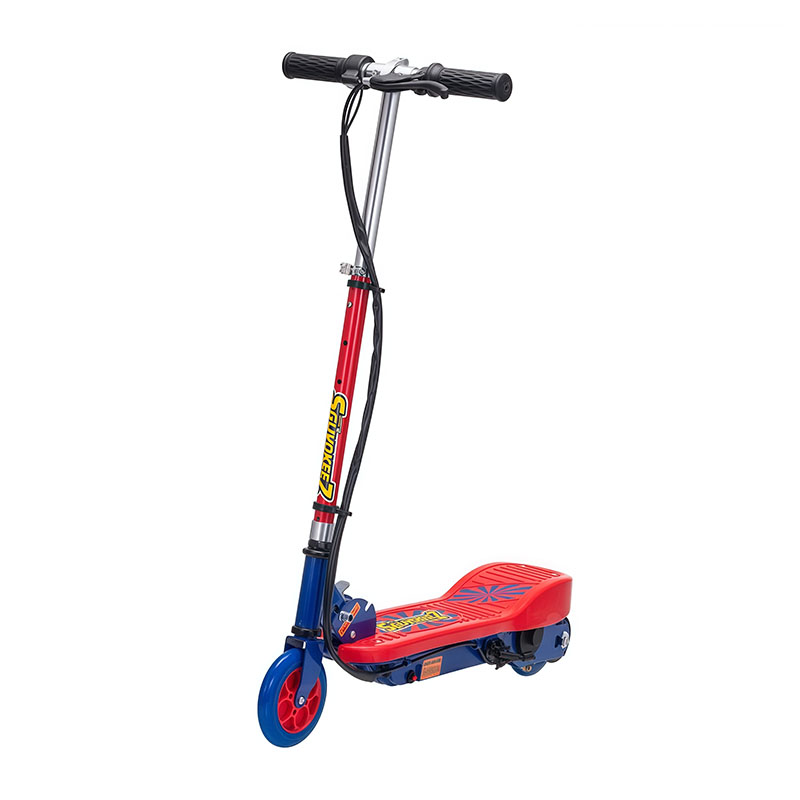
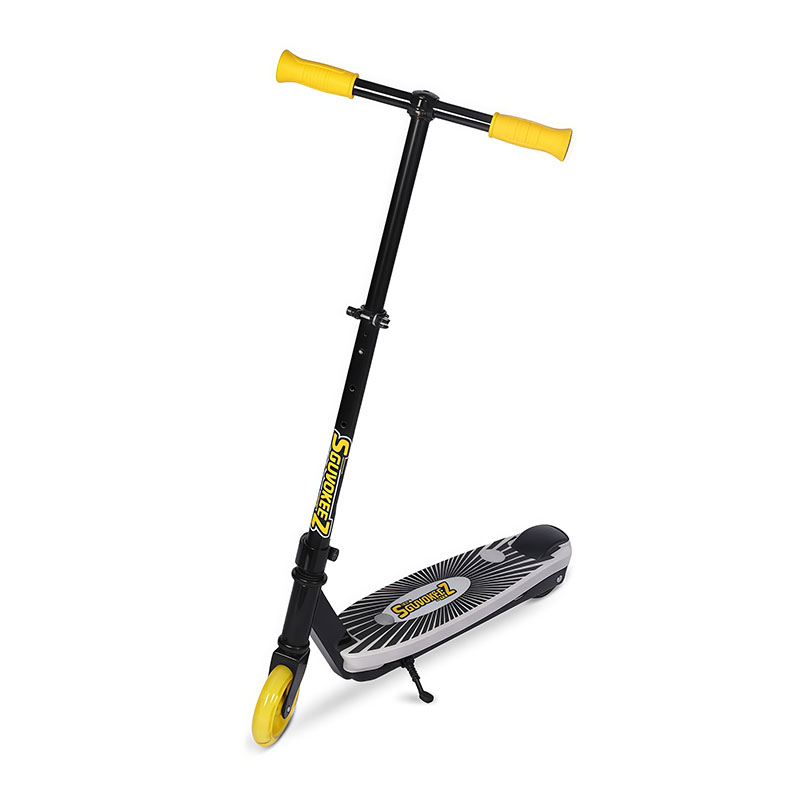
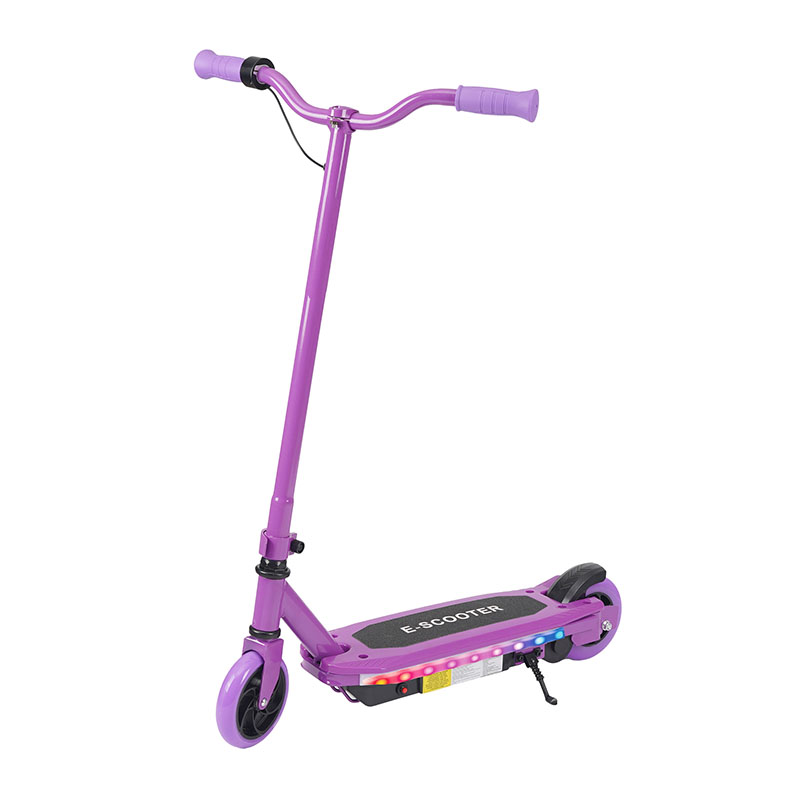
As urban mobility needs continue to change, adult users are paying closer attention to how easily a scooter can fit into their daily routines. A model may offer convenient electric mobility, but its weight, folded dimensions, handling, and storage requirements can influence whether people actually use it regularly. For distributors and mobility equipment buyers, choosing a Lightweight Folding Scooter for Adults involves more than comparing product appearance or advertised performance. The key is understanding how the design performs during everyday activities, from leaving home to storing the scooter after a journey.
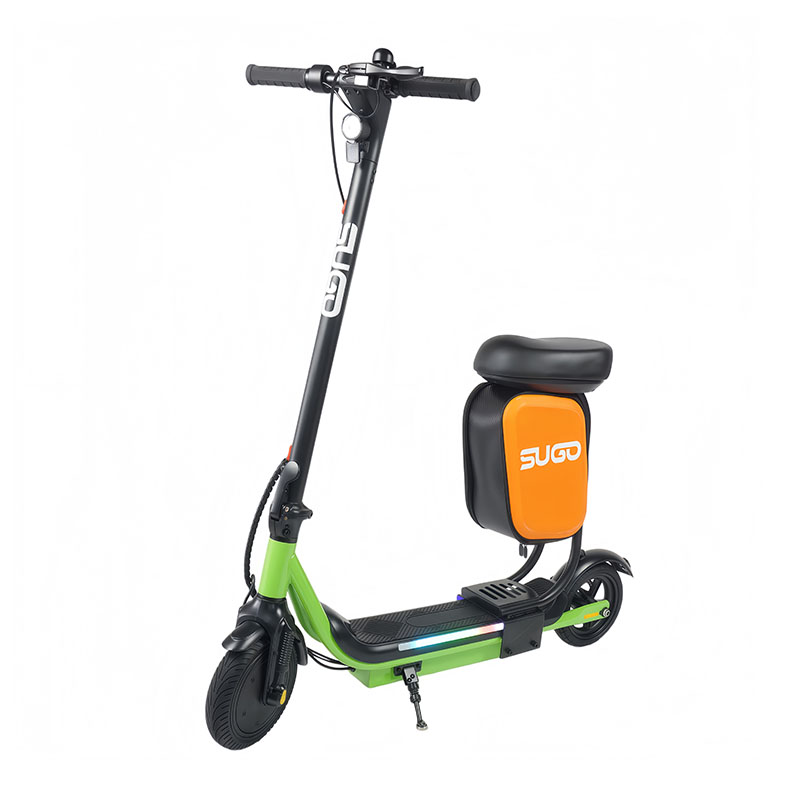
Portability Should Be Evaluated Beyond Product Weight
A lightweight frame is an important starting point, but it does not automatically make a scooter easy to transport. Buyers should also consider how the weight is distributed, where users need to grip the frame, and whether the folded scooter can be moved comfortably.
For adults who occasionally need to lift their scooter into a vehicle or move it through a building, handle placement and overall balance can make a noticeable difference. Manufacturers should therefore assess portability as a complete design requirement rather than focusing on a single weight specification.
When comparing models, procurement teams can review the following details:
- Overall product weight and weight distribution
- Folded dimensions and carrying arrangements
- Frame structure and handle positioning
- Ease of moving the scooter when folded
- Whether the design requires assistance during lifting
A Folding Mechanism Needs to Be Easy to Understand
Folding convenience is often one of the first features customers notice, but the actual operation matters more than the presence of a folding function. If users need several complicated steps or struggle to identify locking points, they may find the scooter inconvenient in everyday situations.
A practical folding mechanism should have a clear operating sequence and secure locking arrangements. Buyers should examine how the scooter transitions between riding and folded positions, whether the main components remain properly aligned, and how easily users can confirm that the frame is locked before riding.
For manufacturers, repeated folding and unfolding should also be considered during product development and quality inspection.
Storage Space Can Shape Purchase Decisions
Not every adult user has access to a large garage or dedicated storage area. Some live in apartments, share residential spaces, or need to keep mobility equipment inside a vehicle. This makes folded size an important consideration during product selection.
A compact configuration can help users organize their living space and transport equipment more conveniently. However, buyers should not evaluate folded dimensions in isolation. The scooter should also be reasonably easy to position, move, and retrieve from the intended storage location.
Distributors can use these practical details to explain product suitability to customers with different living arrangements.
Daily Comfort Still Matters in a Portable Design
Reducing product weight should not mean overlooking the riding experience. Seat support, handlebar position, foot space, wheel configuration, and overall frame stability all contribute to user comfort.
For adults using a scooter for shopping, neighborhood trips, or visits to local facilities, the design should support a natural riding posture and predictable handling. Manufacturers need to balance structural requirements with portability, taking into account how the scooter behaves during turning, starting, stopping, and movement across suitable surfaces.
Buyers should review these characteristics together instead of choosing a model based only on its folded size.
Battery and Electrical Components Need Practical Consideration
For electric folding scooters, battery arrangement can affect both product weight and everyday convenience. Buyers should check the battery specifications, charging method, removal arrangements if applicable, and the manufacturer's guidance for storage and maintenance.
It is also important to understand the electrical system's compatibility with the target market. Charging requirements, applicable product regulations, and documentation may vary between countries. Importers should confirm these details before placing bulk orders rather than assuming that one configuration is suitable for every destination.
Quality Inspection Should Include Folding and Unfolding
A scooter may look well finished when displayed, but repeated daily operation places different demands on its frame and folding components. Manufacturers should pay attention to hinge connections, locking structures, fasteners, cable routing, and alignment during assembly and inspection.
A practical quality control process can include checking the folding sequence, confirming that locking components engage correctly, inspecting frame connections, and reviewing electrical functions according to the product's testing requirements. Clear operating instructions also help distributors provide better guidance to end users.
Match Product Design With the Target Market
Different customer groups may prioritize different features. Some prefer a scooter that is easier to transport in a car, while others place greater importance on compact home storage or comfortable everyday riding. For distributors and importers, understanding these expectations can help determine which specifications deserve priority.
As a manufacturer, we approach the development of a Lightweight Folding Scooter for Adults by considering frame construction, folding operation, portability, riding comfort, and electrical configuration as connected design factors. Buyers who communicate their target users and intended applications early can evaluate product options more accurately and select a model that fits real mobility needs rather than relying on appearance alone.

 English
 русский
 Français
 Español
 Português
 Deutsch